
Clearing the Air
By Janet Cromley
Los Angeles Times Staff Writer,
February 18, 2008
THOSE snazzy HEPA -- high efficiency particulate air -- filters designed for home use may actually do a body good, Danish researchers have found...
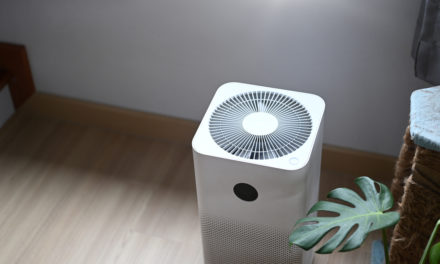
American consumers spend approximately $250 million a year on home air purifiers. Individuals suffering from allergies or asthma are the primary purchasers and are looking for easy ways to improve the quality of air in their homes through the use of air purifiers. Not all air purifiers are created equal. There are five major types of air purifiers and knowing the differences and specialties of these air purifiers can help each person in determining which one best suits their needs. Air Purifiers America provides reviews and tests on which air purifiers and filters for air purifiers are best for you.
How To Buy Air Purifiers
Thank you for visiting Air Purifiers America. We provide recommendations and
air purifier reviews to selecting the best air purifier for your environment. We carry only HEPA air purifiers that do not emit or produce ozone. Beware of air purifiers that do not need filter replacements as many of these units have performed poorly both in our testing and in Consumer Reports. Since there are many different air purifiers on the market, please check our
Air Purifiers Buying Guide for recommendations that can guide you to making an informed decision.
The primary factor in the selection of air purifiers is to address the allergens you are allergic to. Understanding this factor is essential in determining which HEPA air cleaner is designed to remove that particular allergen. If your primary objective is to remove the allergens, you should select air purifiers that sized appropriately for your room. Many air purifiers can remove the large particles such as dust and pollen as well as smaller particles such as mold, bacteria, animal dander, and house dust mites. A HEPA air filter is essential in trapping these type of particles and removing them from your environment. It is important to note that more than 90% of all particulates are 0.3 microns and smaller which is why a HEPA filter is the only solution to reducing your allergies. These smaller particles may include viruses, some bacteria and germs, smoke and smog. For the majority of the people, HEPA air purifiers are capable of removing 90% of the particle size range is the best recommendation.
Once you have determined which type of particles you want to remove,
you will then need to select an air purifier that is sized appropriately for your room. We recommend selecting a unit that can cover a larger room so you can select a lower fan speed to minimize the fan noise.
Smaller units will
need to have their fan settings turned higher to obtain more air flow to be effective in removing particles.
Many air purifiers can remove the large particles such as dust and pollen as
well as smaller particles such as mold, bacteria, animal dander, and house dust mites. A HEPA air filter is essential in trapping these type of particles and removing them from your environment.
Our Recommendations
Air Purifiers America recommends air purifiers from
IQAir or
Alen™. These
air purifiers remove over 95% of all air borne particles such as: pollen,
mold, dander and dust. These units are designed for bedrooms of 300 square
feet or living rooms larger than 400 square feet.
Air Purifiers America does not recommend the
Friedrich C-90B
,
Sharper Image Ionic Breeze
or
Oreck XL
air cleaners as these units generate ozone which is harmful to the body according to laboratory research conducted by California DHS' Indoor Air Quality Program.
See a detailed review of all air purifiers tested.